A Hand-Drawn Food Illustration for Real Embroidery Projects
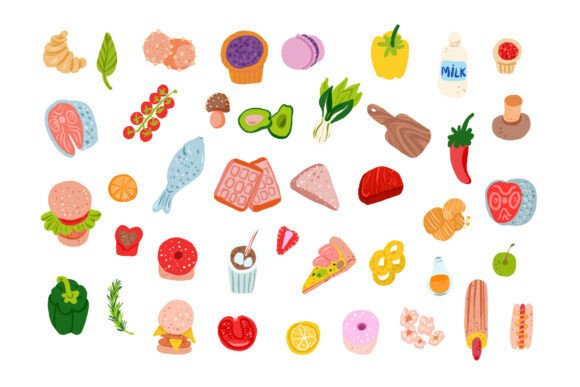
When I first opened the Diverse Hand-Drawn Flat Food Elements collection, my immediate thought was, “This has personality.” It’s not a sterile, vector-perfect set of graphics. These illustrations feel sketched, friendly, and warm. The mood it creates is casual, approachable, and perfect for projects that need a touch of homemade charm rather than corporate polish. As a designer, I can see the visual personality here: it’s playful and detailed enough to be interesting, but not so overly intricate that it becomes a stitching nightmare.
The Natural Fit for Embroidery Projects
This kind of hand-drawn style naturally belongs to a specific family of embroidery projects. I’m thinking about a custom tote bag for a food-loving friend, a cozy kitchen towel for a boutique, or a sweet, simple design on a baby bib for a nursery. The flat, clear shapes translate beautifully to satin stitch and fill stitch areas. I picture a single avocado or a coffee cup from this collection, stitched onto the pocket of a sweatshirt. It wouldn’t look overly technical or mass-produced; it would look like a thoughtful, handmade product.
For my small business clients—the Etsy sellers and craft fair vendors—this collection is a goldmine for creating recognizable, giftable items. A set of embroidered patches featuring these food elements could be a standalone product. A tea towel with a hand-drawn tomato and basil embroidered on the corner immediately feels like a boutique kitchen product. The charm here directly boosts the handmade presentation and perceived value. Customers connect with this style; it feels authentic, which builds trust.
Where This Design Excels in Commercial Use
In real-life embroidery situations, this design’s versatility shines. For apparel decorators, these elements are perfect for accent embroidery on caps or hats, provided the curved surface can handle the layout. For personalized gifts, like an apron with a family’s favorite food, the hand-drawn style makes it feel uniquely crafted, not just digitized. As a digital embroidery file, it’s a strong asset for creating printable mockups to preview products online, or for selling the finished, stitched item as part of your craft business inventory.
The themes here—coffee, veggies, baked goods—are universally recognizable and incredibly engaging. Stitching a little hand-drawn croissant onto a pillow cover for a wedding gift? That’s a specific, thoughtful detail people remember. For holiday gifts, a set of embroidered kitchen towels with these elements could be a beautiful, practical set. The design supports brand consistency for a small shop focused on food, cooking, or cozy home goods.
Practical Considerations Before Hooping Up
Now, for the realistic designer notes. While the hand-drawn aesthetic is lovely, it requires some practical judgment before you run the machine. First, always test the design on scrap fabric. You need to see how those hand-drawn lines, which might have varying thicknesses in the SVG, translate into actual stitches. Check the stitch density, especially in smaller elements like a berry or a herb leaf. Dense stitch areas on thin fabrics like t-shirts can lead to puckering; a good stabilizer is non-negotiable.
Where should you use Diverse Hand-Drawn Flat Food Elements carefully? Pay close attention to very small hoop sizes. Some details might get lost if you scale down too aggressively. On textured fabrics like some sweaters, the clarity of the design might soften, so thread color contrast becomes critical. On dark fabric backgrounds, you’ll need to plan your thread palette carefully to maintain that hand-drawn, light feel. Inspect the small details and corners in your software preview; a running stitch outline might need adjustment for clarity on stretchy fabric.
Ensuring Professional Results for Your Customers
This affects professionalism and buyer engagement directly. A blurry, poorly-stitched design on a final product erodes customer trust. So, my advice: test it in black and white mockups first to judge contrast. Compare how it looks on both a light and a dark fabric background in your design software. For products that need frequent washing, like baby clothes or tea towels, ensure the stitch structure is robust and the design isn’t so delicate that threads will snag.
Finally, a crucial step for any commercial embroidery project: confirm the licensing terms for the Diverse Hand-Drawn Flat Food Elements before selling finished items or digital products derived from it. The description notes it’s created for creative use across crafts, but always verify the specifics for your commercial use. This protects your business and your clients.
In my hands, this collection feels like a tool for creating connection. It’s not just an embroidery file; it’s a set of illustrations that, when stitched onto fabric, carry a friendly, human touch. That’s the real value for makers and entrepreneurs: designs that finish as products people love to hold, give, and keep.