Reviewing Vintage Ornamental Graphics for Real Client Projects
As a designer, I’m constantly sifting through assets for that perfect visual ingredient to elevate a client’s project. Today, I’m looking at Vintage Ornamental Design Elements with. The immediate impression is one of classic, crafted elegance. It’s not just clipart; it’s a set of illustrations that speaks quietly of heritage, quality, and decorative refinement.
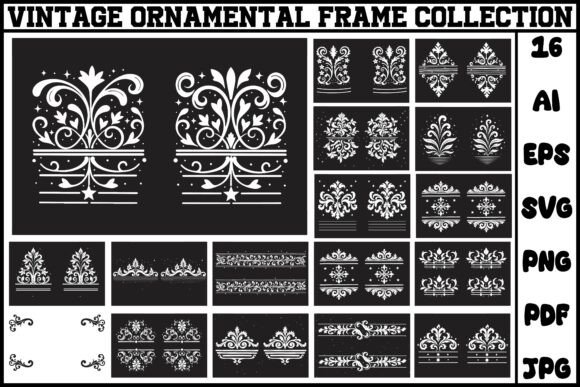
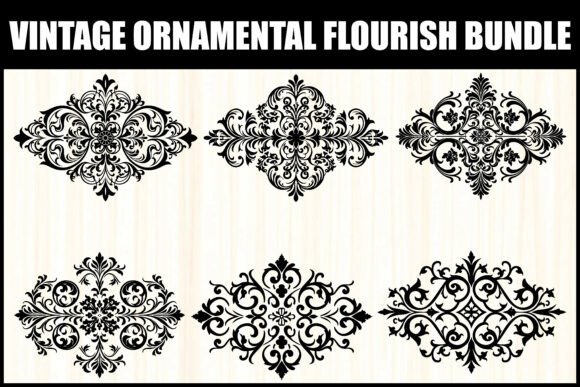
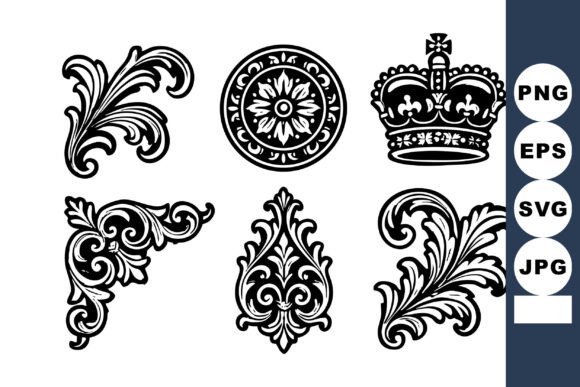
The black vector motifs—a crown, floral scrolls—feel timeless. They evoke a mood of historical charm and curated sophistication. For a designer, this isn’t about mere decoration; it’s about injecting a specific, elevated character into a visual concept.
The Ideal Client and Project Fit
This graphic design asset naturally gravitates towards projects that need a touch of legacy or artisanal quality. I immediately picture it for a boutique client: perhaps a small business selling handmade soaps, a craft brewery establishing its brand identity, an Etsy shop specializing in vintage-inspired jewelry, or a local event like a heritage festival. It would beautifully support the packaging design for a premium tea line or the marketing visuals for a seasonal campaign around autumn or holiday collections.
In an online product launch for a luxury candle brand, these ornamental illustrations could become the cornerstone of the visual theme, lending an instant sense of tradition and trust.
Where Vintage Ornamentals Perform Brilliantly
In real design situations, this asset shines as a supporting brand element or a focal decorative accent. For logo design, the crown motif could be adapted into a crest or seal. In brand identity systems, the scrolls become elegant borders for stationery or website graphics.
Consider product labels and packaging details: these vectors add a layer of visual polish that makes a simple jar or box feel special. For printable designs like wall art, invitations, or editorial design in a blog, they provide ready-made sophistication. In digital design for social media graphics, a well-placed scroll on an Instagram post or Pinterest pin frames content with elegance.
For crafters and digital sellers, the vector nature opens doors. As a sublimation design for t-shirt design or mugs, or as SVG designs for Cricut projects creating stickers or tote bags, the clean lines ensure quality. Placed on product mockups, they help sell the final vision before production.
Practical Applications and Layout Considerations
This asset works best in larger layout areas or as a hero graphic where its intricate details can be appreciated. It’s perfect for creating a themed collection of visuals across a campaign. On a poster or flyer, it establishes mood immediately. In Canva templates or commercial design assets for a creative marketplace, it provides a strong, decorative base for users to build upon.
Cautions and Necessary Designer Checks
However, with such detailed illustrations, careful application is key. Used at very small sizes—say, in a tiny footer icon—the intricacies may blur and lose impact. In crowded layouts with competing visuals, they might clutter the hierarchy. These motifs demand clear space.
They are less suited for minimalist branding or professional corporate materials seeking a ultra-clean look. On complex backgrounds, the contrast must be high; the black elements need a simple, light field to stand out. Always test readability: these are decorative, not textual, and should not overpower core messaging.
Impact on Brand Perception and Audience
Incorporating Vintage Ornamental Design Elements with affects a project’s perceived value. It boosts visual trust, suggesting a brand with history and care. The emotional appeal is towards audiences appreciating craftsmanship and classic style. For a handmade business or a print-on-demand seller, this can be the difference between looking generic and looking curated.
Consistency is crucial. Using these graphics across packaging design, web design, and merchandise creates a cohesive, refined brand story that enhances recognition and audience engagement.
The Designer’s Pre-Use Checklist
Before committing this asset to a client project, I run through a practical list. First, I test it in pure black and white to ensure its forms hold without color dependency. I check contrast by placing it on both light and dark backgrounds. I preview it at the intended sizes—both large for posters and small for social media graphics—to confirm detail retention.
I place it on real mockups of the final product, be it a t-shirt design, a mug, or a product label. If printing is involved, I test the print quality at high resolution. I review the file formats: are the vectors fully editable for custom color matching? Is a PNG with clean transparency included for quick digital use?
I experiment with typography alongside it. How does it pair with a serif font for classic harmony, or a clean sans serif for modern contrast? Does it clash with a script font, or complement it? This informs the overall visual hierarchy.
Finally, and most importantly, I confirm the commercial licensing. For any client work or business project, I must ensure this digital product is cleared for commercial design use. Only then can this beautiful asset safely become part of a professional, polished result.
Why This Asset Earns a Place in the Toolkit
Vintage Ornamental Design Elements with is more than a simple illustration bundle. It’s a mood-setter, a polish-provider. For designers working with brands that need to convey elegance and heritage, it offers a ready-made path. It saves time on creating custom decorative elements while delivering a high-quality, scalable result.
Its strength lies in its specificity. It won’t fit every project, but for the right one—a small business branding seeking a timeless touch, a seasonal campaign requiring decorative refinement, or a digital seller wanting to elevate their Etsy product visuals—it can be the exact ingredient that transforms a concept into a compelling, professional design.