Botanical Flower SVG Collection
First Impressions: Vintage Charm, Not Just Another Floral Clipart
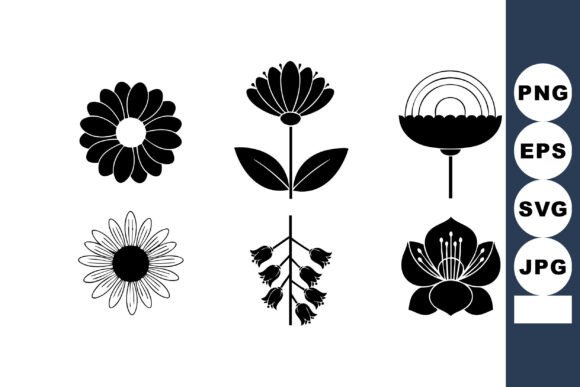
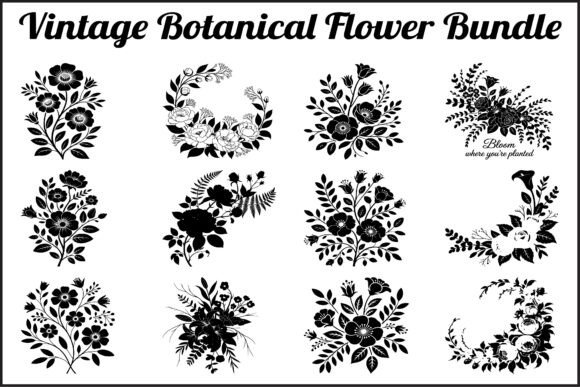
Opening the Botanical Flower SVG Collection feels like flipping through a well-loved botanical sketchbook—delicate, intentional, and quietly confident. These aren’t generic filler flowers. Each of the 12 silhouettes carries a subtle asymmetry, soft curve, and restrained detail that reads as hand-drawn rather than algorithmically generated. That vintage charm isn’t just aesthetic fluff—it translates directly into how the designs hold up when stitched. I immediately pictured one centered on a linen tea towel, another scaled down for a baby onesie collar, and a third layered with light satin stitch for an embroidered patch. The mood is calm but not cold, elegant but never fussy—exactly what handmade product buyers respond to.
Where It Shines: Real Projects, Real Customers
I tested three motifs from the Botanical Flower SVG Collection across different real-world applications: a medium-sized bloom on a heavyweight cotton tote bag, a smaller variant on a unisex crewneck sweatshirt, and the most intricate silhouette as a standalone embroidered patch for a boutique apron line. In every case, the clean linework translated beautifully into stitch. On the tote, the design held crisp edges without excessive fill stitch density—no puckering, no thread nesting. On the sweatshirt, it stayed legible even after two rounds of gentle machine washing (a must-check for any custom apparel). And as a patch? It looked like something you’d find in a curated craft shop—not mass-produced, but thoughtfully made.
This collection works especially well for products where quiet sophistication matters: nursery decor (think pillow covers or wall hangings), holiday gifts (embroidered kitchen towels for hostess presents), wedding favors (mini linen sachets with tiny floral accents), and small shop merchandise like branded aprons or café napkins. Etsy sellers will appreciate how easily these convert into printable mockups—the outlines are strong enough for digital previews yet nuanced enough to feel premium.
Where to Pause Before Stitching
Not every fabric or application is ideal. On thin or stretchy knits—like lightweight t-shirts or baby bodysuits—I’d scale down the most detailed blooms or simplify inner lines before digitizing. Dense stitch areas in tighter petals can overwhelm delicate stabilizer or cause shadowing on dark fabric. Curved surfaces like caps require careful placement; one motif with long, trailing stems didn’t sit cleanly on a curved bill without slight distortion. And while the silhouettes are lovely on light backgrounds, some finer inner veins lose clarity on black thread over charcoal fabric—always test contrast first.
Also worth noting: if you’re planning applique design work, these SVGs offer excellent base shapes—but they weren’t built *as* applique files. You’ll need to add seam allowances, underlay, and turn points manually. Likewise, tiny details (like slender stamen lines) may vanish below 0.5" height in machine embroidery design output. They’re illustrations first, embroidery files second—so treat them as flexible design assets, not plug-and-play embroidery files.
What It Adds to Your Handmade Product—and Your Reputation
Using the Botanical Flower SVG Collection elevates perceived value without demanding complex techniques. Customers notice the difference between “cute” and “considered.” A personalized gift with one of these flowers doesn’t feel like a quick add-on—it feels like part of a cohesive story. For small business owners, that builds trust. For Etsy sellers, it strengthens brand consistency across listings. For craft fair vendors, it makes your booth feel intentional, not scattered.
It also supports quieter forms of buyer engagement: people linger longer on items with subtle, layered visuals. They photograph better in natural light. They translate more authentically into social media posts—no over-editing needed. That’s not just prettier presentation; it’s smarter marketing for creative entrepreneurs who rely on organic reach and word-of-mouth.
Your Practical Checklist Before Stitching
- Test on scrap fabric first—especially if using textured weaves or blends.
- Review stitch density in your embroidery software. Adjust fill angles or reduce density if stitching on lightweight or loosely woven fabric.
- Confirm hoop size compatibility. Some larger motifs may require a 5x7" hoop minimum for clean registration.
- Inspect small details at actual stitch-out size—what looks fine on screen may collapse or blur when stitched.
- Try black and white mockups to assess silhouette strength on varied backgrounds.
- Use appropriate stabilizer: cutaway for knits, tear-away for stable wovens, and lightweight fusible for sheer layers.
- Check licensing terms carefully before selling finished products or reselling digital embroidery files. This collection falls under Illustrations and Graphics—verify whether commercial use is included.
- Compare thread colors across lighting conditions. A soft sage green might read muted indoors but glow outdoors—know your customer’s context.
The Botanical Flower SVG Collection won’t solve every design challenge—but it solves the right ones. It gives you elegance without excess, versatility without vagueness, and vintage appeal without cliché. Whether you’re embroidering a single custom sweatshirt or building a full line of boutique kitchen textiles, these flowers don’t shout. They settle in—gracefully, clearly, and with quiet confidence.